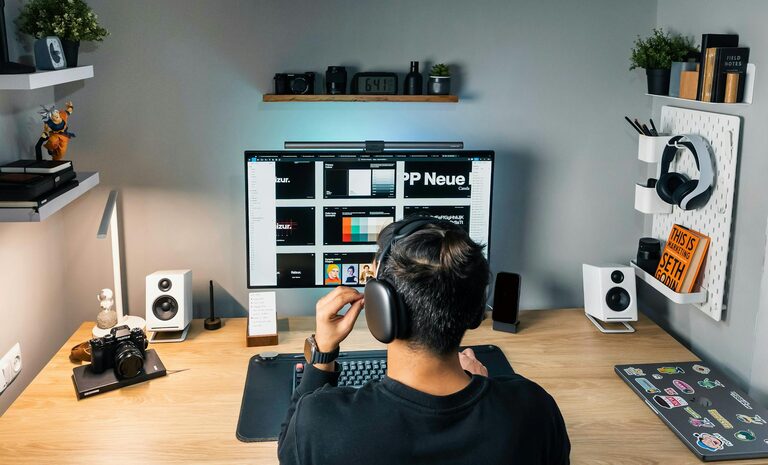
Creating a home workspace that balances productivity and relaxation is key to making remote work enjoyable and effective. Whether you’re working full-time from home or just need a dedicated area for occasional tasks, setting up a space that inspires focus while offering comfort can greatly improve your workdays. In this post, we’ll explore simple and practical tips to help you design a home workspace where you can feel both relaxed and motivated.
Why Your Workspace Matters
The environment where you work influences your comfort, concentration, and creativity. A cluttered, uncomfortable, or distracting space can make tasks harder and lead to burnout. Conversely, a thoughtfully arranged workspace helps you maintain focus, reduces stress, and encourages a healthy work routine.
Choose the Right Location
Start by selecting the best spot in your home for your workspace. Here are some factors to consider:
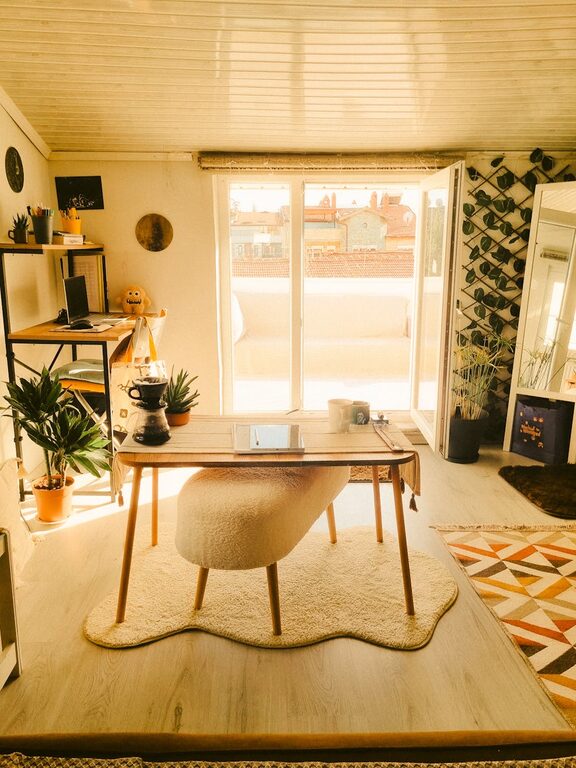
– Natural light: Position your desk near a window if possible. Natural light boosts mood and energy while reducing eye strain.
– Quiet area: Find a quiet zone away from household distractions like the TV or kitchen.
– Space availability: Make sure there’s enough room for your desk, chair, and any equipment you need.
Even a small corner can become a functional workspace with the right setup.
Invest in Ergonomic Furniture
Your body will thank you if you use ergonomic furniture designed to support good posture and comfort.
– Ergonomic chair: Choose a chair with adjustable height, lumbar support, and comfortable cushioning.
– Proper desk height: Your desk should allow your forearms to rest comfortably parallel to the floor.
– Monitor placement: Position your computer screen at eye level about an arm’s length away to avoid neck and eye strain.
Making these adjustments will keep you comfortable during long work sessions.
Declutter and Organize
A tidy workspace helps keep your mind clear and focused. To maintain a clutter-free area:
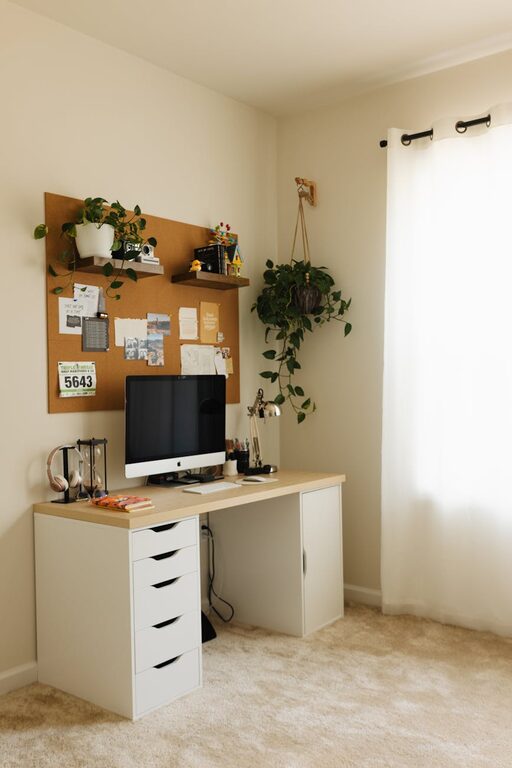
– Use organizers, trays, or drawers to store supplies like pens, papers, and chargers.
– Limit desk items to essentials only.
– Regularly clean your workspace to remove dust and unnecessary items.
– Consider digital organization tools to minimize paper clutter.
An organized environment leads to improved productivity and less stress.
Personalize Your Space Thoughtfully
Adding personal touches can make your workspace more inviting, but avoid overdecorating.
– Include a few meaningful items like a plant, a framed photo, or artwork.
– Choose calming colors such as soft blues, greens, or neutrals which encourage relaxation.
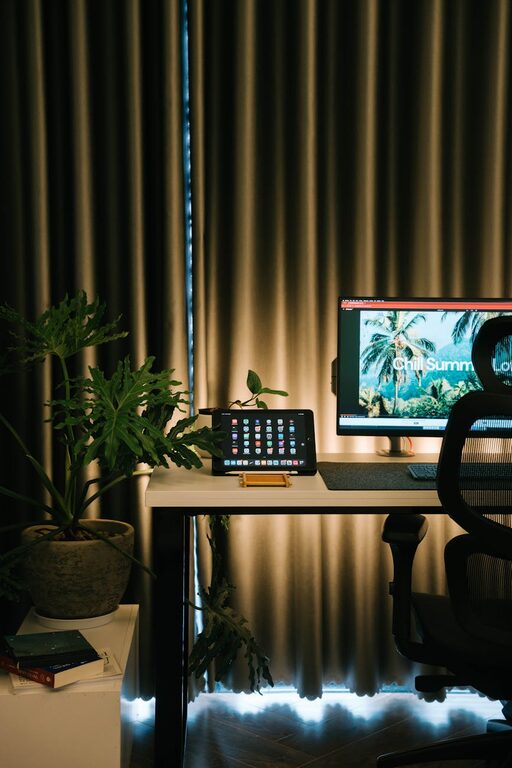
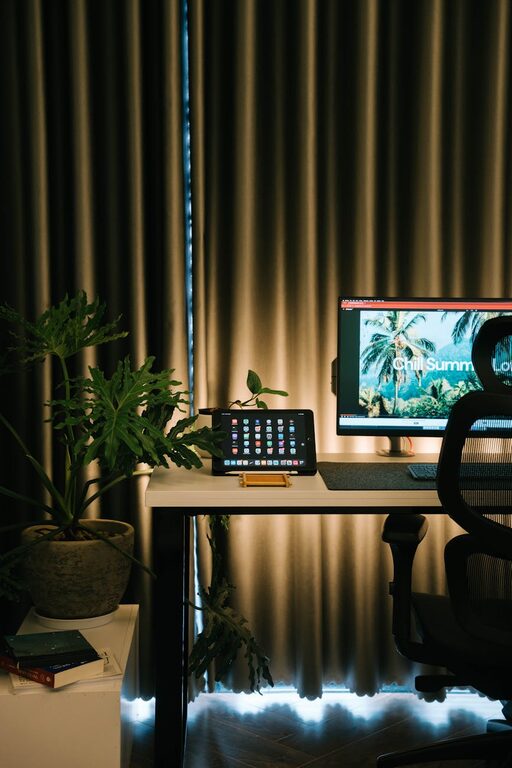
– Use lighting options like warm lamps or adjustable desk lights to create a pleasant ambiance.
Personalization helps you feel grounded and inspired without causing distractions.
Minimize Noise and Distractions
Background noise and interruptions can hurt focus. Try these approaches:
– Use noise-cancelling headphones or soft background music to help concentrate.
– Use room dividers or curtains if you share space with others.
– Set clear boundaries with household members during work hours.
Reducing distractions allows you to maintain a productive workflow.
Incorporate Breaks and Movement
Don’t forget to give your mind and body regular breaks.
– Practice the 20-20-20 rule: every 20 minutes, look 20 feet away for 20 seconds to reduce eye strain.
– Stand, stretch, or take a short walk every hour.
– Use a timer or app to remind yourself to move and refresh.
These habits help prevent fatigue and boost creativity.
Use Technology Wisely
Technology can enhance or hinder your productivity.
– Invest in reliable internet and hardware.
– Use apps and tools for task management, note-taking, or focus timers.
– Avoid excessive multitasking or distractions from social media.
Use tech purposefully to support your work goals.
Maintain Good Air Quality and Temperature
Comfort also depends on the air you breathe and the temperature around you.
– Open windows to let fresh air in when possible.
– Use air purifiers or plants that improve air quality.
– Adjust room temperature to a comfortable setting, neither too hot nor too cold.
A pleasant physical environment supports your ability to focus.
Establish a Routine
Finally, create a consistent daily routine to separate work time from leisure.
– Start and end your workday at regular times.
– Dress in work-appropriate clothing to signal your brain to focus.
– Clear away work materials at the end of the day to help shift mentally away from tasks.
Routines build discipline and help maintain work-life balance.
—
By implementing these tips, you can transform any corner of your home into a relaxing, productive workspace. A well-designed environment supports your wellbeing and enhances your efficiency, making working from home a positive experience every day.
About the Author