Creating a relaxing and productive home workspace is essential for anyone who spends significant time working remotely or at home. A well-designed workspace can help reduce stress, improve focus, and make daily tasks more enjoyable. Whether you have a dedicated room or a small nook, these tips will guide you in setting up a comfortable and efficient work area.
Why a Relaxing Workspace Matters
Your environment has a big impact on how well you work. When your workspace feels calm and comfortable, it’s easier to focus and stay motivated. On the other hand, cluttered or uncomfortable spaces can increase stress and reduce productivity. Designing a relaxing workspace helps balance your mental well-being and work efficiency.
Choose the Right Location
Find a Quiet Spot
Select a place in your home that is quiet and free from distractions. This could be a spare room, a corner of your living room, or even a part of your bedroom. The key is to minimize noise and interruptions.
Consider Natural Light
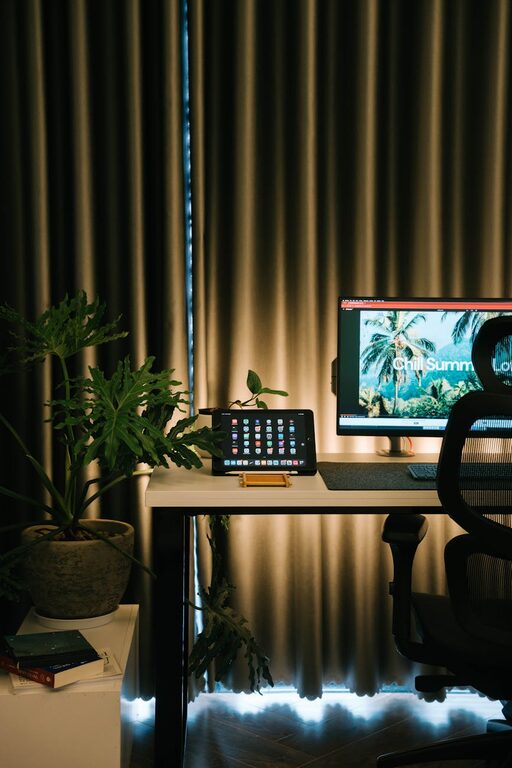
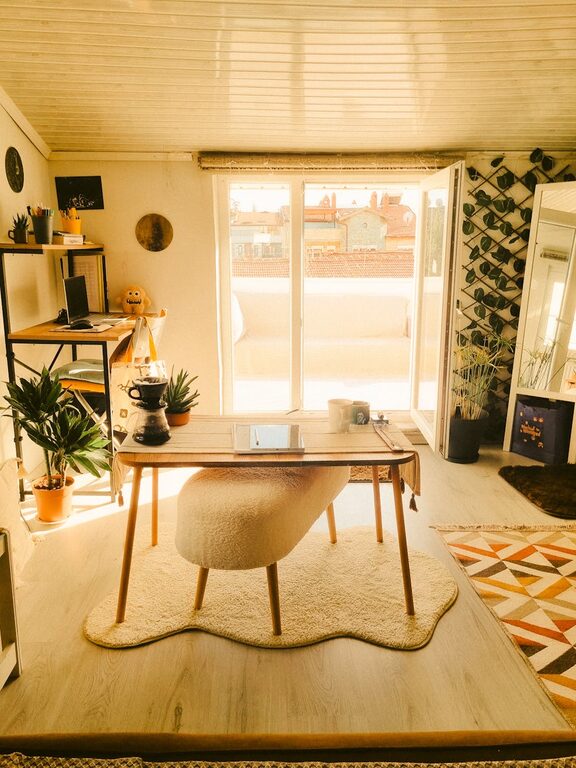
Natural light boosts mood and alertness. Set up your desk near a window if possible. If natural light is limited, use soft, warm lighting that mimics daylight to reduce eye strain.
Invest in Comfortable Furniture
Ergonomic Chair
A supportive chair is crucial for comfort, especially if you work long hours. Look for one with adjustable height, lumbar support, and cushioning.
Suitable Desk
Choose a desk that fits your space and meets your needs. It should be large enough to hold your computer, notes, and other essentials but not overcrowded.
Add a Footrest or Standing Option
A footrest can improve circulation when sitting, and a desk that converts to standing height offers flexibility to change positions throughout the day.
Keep Your Space Organized
Use Storage Solutions
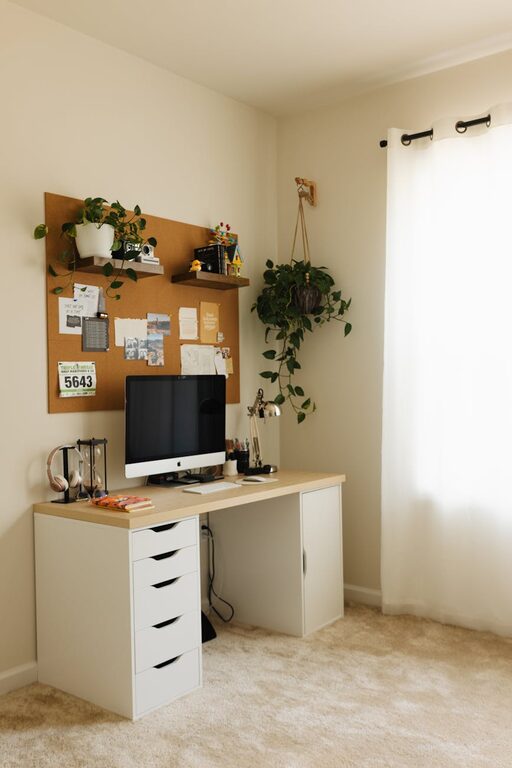
Clutter distracts and makes work harder. Utilize shelves, drawers, and organizers to keep your supplies tidy and accessible.
Declutter Regularly
Take a few minutes each day or week to clear unnecessary items. A clean space fosters a clean mind.
Personalize Your Workspace
Add Plants
Indoor plants bring a touch of nature indoors, improve air quality, and create a peaceful atmosphere.
Use Calming Colors
Choose soothing colors like blues, greens, or neutrals for your workspace. These hues help reduce stress and boost concentration.
Display Inspiring Items
Photos, artwork, or motivational quotes can uplift your mood and provide personal meaning to your space.
Manage Technology Smartly
Position Screens Correctly
Place your monitor at eye level to prevent neck and eye strain. Use screen filters if glare is an issue.
Minimize Distractions
Turn off unnecessary notifications on your phone and computer. Consider using apps to block distracting websites during work hours.
Keep Cables Neat
Use cable organizers or clips to avoid tangles and clutter from wires.
Incorporate Relaxation Breaks
Schedule Regular Breaks
Step away from your desk every hour to stretch or walk around. This helps refresh your mind and reduce fatigue.
Create a Relaxation Corner
If space allows, add a comfy chair or cushion for short breaks. Having a dedicated spot to relax nearby encourages mindfulness.
Improve Air Quality and Comfort
Ventilation
Ensure your workspace is well-ventilated to keep the air fresh and maintain focus.
Temperature Control
Keep the room at a comfortable temperature. Use fans, heaters, or air conditioning as needed to avoid distraction from discomfort.
Use Sound and Scents to Enhance Calm
Background Noise
Some people work better with soft background sounds like white noise or nature sounds. Experiment to see what helps you focus.
Pleasant Scents
A mild diffuser with essential oils like lavender or eucalyptus can create a calming atmosphere without overpowering your senses.
Final Thoughts
Creating a relaxing home workspace is about balancing comfort, organization, and inspiration. Small changes can make a big difference in how you feel and perform throughout the day. Start with these tips and adjust your space to fit your unique needs and preferences. A peaceful environment will not only boost your productivity but also improve your overall well-being.
By investing time and care in your workspace, you set the stage for success in both work and life.
About the Author