Creating a cozy and productive home office space is essential for anyone working remotely or managing tasks from home. A well-designed workspace can improve focus, increase efficiency, and make working from home more enjoyable. Here are practical tips to help you build a home office that feels inviting and supports your best work.
Choose the Right Location
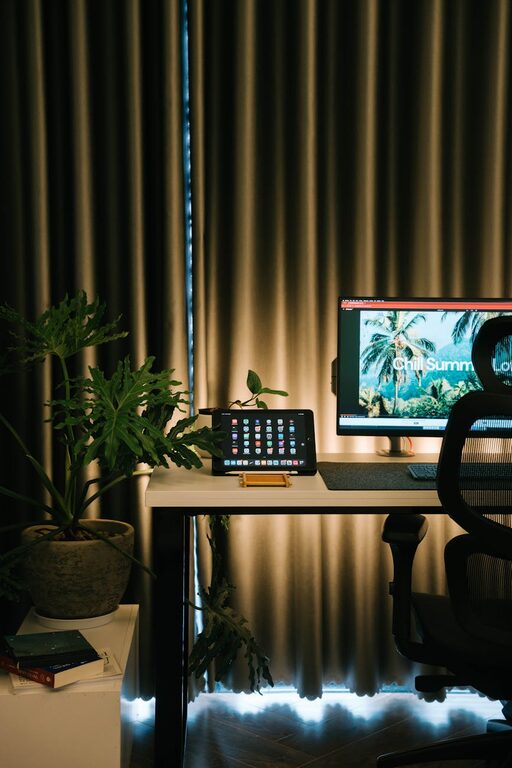
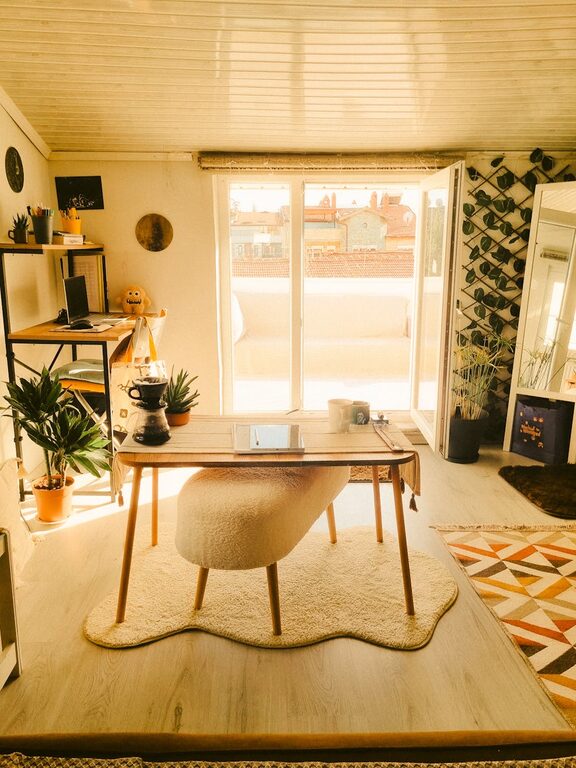
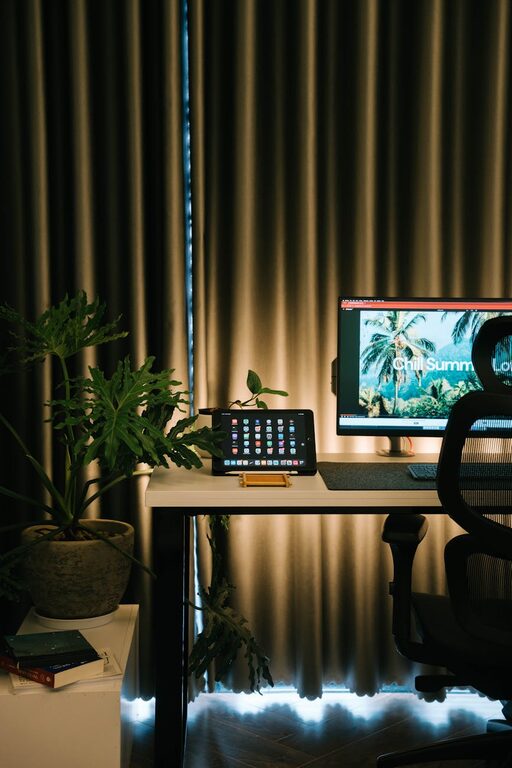
Selecting the right spot for your home office is the first step. Ideally, find a quiet area with minimal distractions. A spare room, a corner of the living room, or a nook by a window can work well. Natural light is a big plus, so try to position your desk near a window to boost mood and reduce eye strain.
Invest in Comfortable Furniture
Comfort is key to staying productive and avoiding physical discomfort. Invest in a quality ergonomic chair that supports your back and encourages good posture. Pair it with a desk that fits your needs—enough surface area for your computer, notebooks, and other essentials.
Consider adjustable desks if you want the flexibility to sit or stand throughout the day. This can improve circulation and reduce fatigue.
Organize Your Space for Efficiency
A cluttered workspace can distract and overwhelm. Keeping your office well-organized helps maintain focus. Here are some organization ideas:
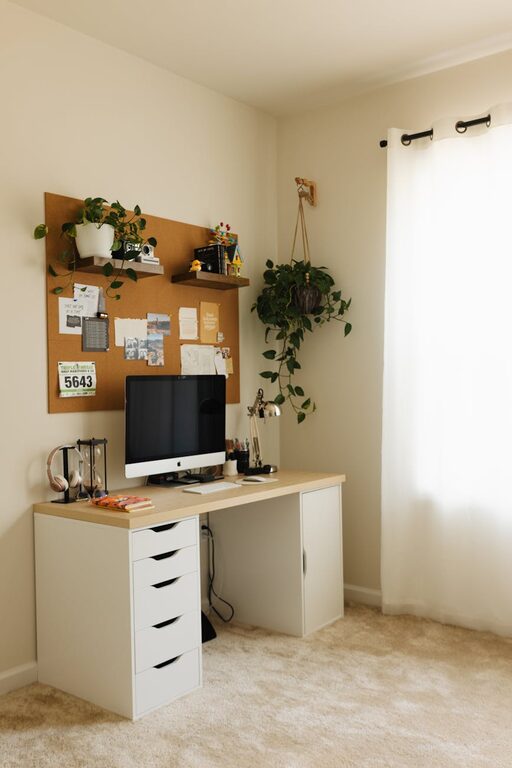
– Use storage solutions: Shelving units, filing cabinets, and desk organizers help keep everything in its place.
– Declutter regularly: Remove items you don’t need daily.
– Cable management: Use clips or tubes to keep cords neat and out of the way.
Personalize Your Space
Adding personal touches can make your home office feel inviting and uniquely yours. Consider:
– Artwork or photos: Choose pieces that inspire or relax you.
– Plants: Small plants improve air quality and add a touch of nature.
– Decor and colors: Use calming colors like soft blues or greens to create a soothing environment.
Optimize Lighting
Good lighting is essential for comfort and reducing eye strain. Here are lighting tips:
– Maximize natural light: Open blinds or curtains during the day.
– Layer lighting: Combine overhead lights with task lighting, such as a desk lamp.
– Use warm bulbs: Soft white or warm LEDs are easier on the eyes than harsh fluorescents.
Minimize Distractions
If you live in a busy household, creating boundaries can help keep distractions at bay.
– Set clear work hours: Let family or roommates know your schedule.
– Use noise-cancelling headphones: These can block out background noise.
– Keep your phone on silent: Unless your work depends on calls or messages.
Incorporate Wellness Elements
Your home office should support your overall well-being.
– Take frequent breaks: Step away from your desk to stretch or walk.
– Add a comfortable cushion or footrest: To improve posture.
– Keep water nearby: Staying hydrated helps maintain energy levels.
Technology and Tools for Productivity
Ensure your home office is equipped with the right technology.
– Reliable internet: A stable connection prevents interruptions.
– Efficient devices: Use a computer and peripherals that run smoothly.
– Productivity apps: Tools like calendars, to-do lists, and focus timers can help keep you on task.
Maintain a Clean Environment
Spend a few minutes at the end of each day tidying your office. A clean and orderly space helps you start fresh the next morning and keeps your workspace inviting.
—
Creating a cozy and productive home office takes some planning and effort, but the benefits are worth it. By choosing the right location, investing in comfort, staying organized, and personalizing your space, you can build an environment that supports your best work and makes working from home more enjoyable.
About the Author